
Last updated: July 2026 | Reading time: 9 min
Disclaimer: This article is for informational and educational purposes only. Nothing here constitutes financial advice. Past performance is not a guarantee of future results. Always do your own research and consider speaking with a licensed financial advisor before making investment decisions.
For a long time, the general public has widely equated exchange-traded funds (ETFs) with low-cost index funds, but this long-standing perception is now being rewritten: actively managed ETFs, which rely on fund managers to actively select stocks rather than track a benchmark index, are projected to become the main force of new product issuances by 2026, with their share of total capital continuously climbing. This is exactly why you are seeing more ETFs on your brokerage app that do not track the S&P 500 or the NASDAQ Index.
Here’s what’s actually happening, why it’s happening now, and what it means for how you build a portfolio.
The Numbers Behind the Shift
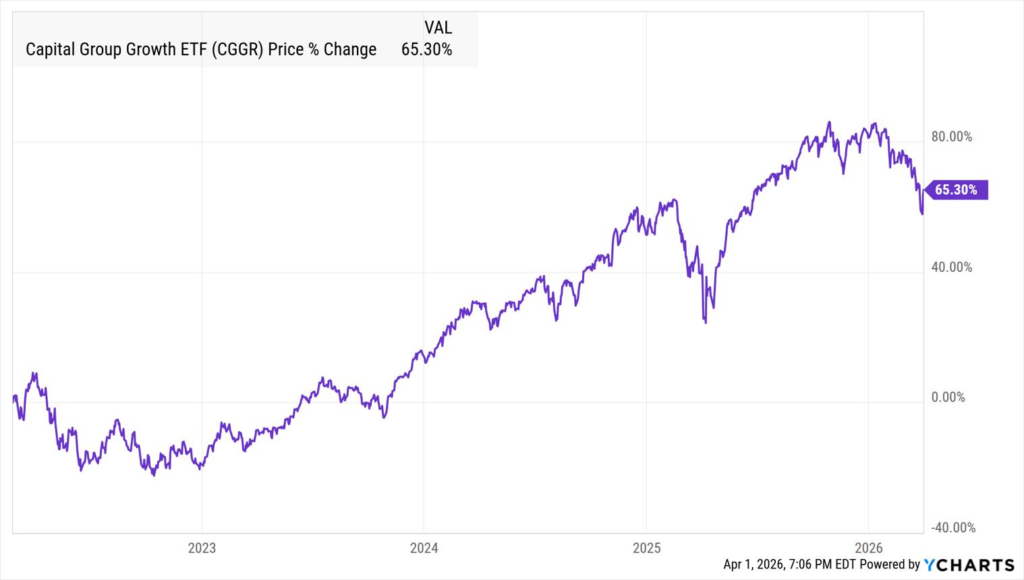
Active ETFs have gone from a niche corner of the market to a genuine force in just a few years. Total active ETF assets have climbed from roughly $300 billion at the end of 2024 to somewhere near $1.5 trillion today, a growth rate that has consistently outpaced passive index funds. In terms of new products, active strategies now account for somewhere between 80% and 90% of all new ETF launches in 2026 — a remarkable flip from a market that was almost entirely passive just a decade ago. On the flow side, roughly a third of all U.S. ETF investment dollars are now going into active strategies, up from about half that share just a few years ago.
Put simply: passive index ETFs still hold the overwhelming majority of total ETF assets, but nearly all the new product innovation — and an increasing share of new money — is happening on the active side. To see exactly which funds are driving this momentum, you can check out our deep dive on the fastest-growing ETFs of 2026 so far.
Here’s the Part That Should Surprise You
The obvious assumption is that stock pickers finally cracked the code — that active managers got smarter, or the market got easier to beat. The data says the opposite. Over the past year, more than 80% of actively managed large-cap U.S. stock funds still underperformed the S&P 500. Stretch the window to ten years and the picture gets worse, not better: only a small minority of active funds beat their benchmark over that stretch.
So if stock-picking still mostly loses, why is a trillion-plus dollars flowing into active ETFs? The answer has almost nothing to do with investment skill and everything to do with plumbing.
Four structural advantages are doing the heavy lifting:
- The tax loophole nobody talks about. ETFs can swap out low-cost-basis stocks through an «in-kind» creation/redemption mechanism, sidestepping the taxable event that a traditional mutual fund would trigger. Two funds with identical pre-tax returns can leave you with meaningfully different after-tax money in your pocket, purely because of the wrapper.
- Trade whenever you want. Mutual funds price once a day, after the market closes. ETFs trade all day, every day the market’s open — a real advantage if you actually care about timing.
- The fee floor keeps dropping. A handful of major issuers now offer active ETF lineups for as little as 0.23%, a fraction of the roughly 0.7% average that traditional active mutual funds still charge.
- A better box for weird strategies. Covered-call income plays, downside-buffer products, and actively steered bond portfolios were always awkward to sell as mutual funds. The ETF wrapper fits them naturally — which is a big part of why so many of 2026’s launches fall into exactly those categories.
Translation: this boom is a story about packaging and access, not about Wall Street suddenly getting better at picking stocks.
Four Corners of the Market Where This Is Actually Happening
Not every «active ETF» looks the same. In 2026, the growth clusters into four recognizable buckets:
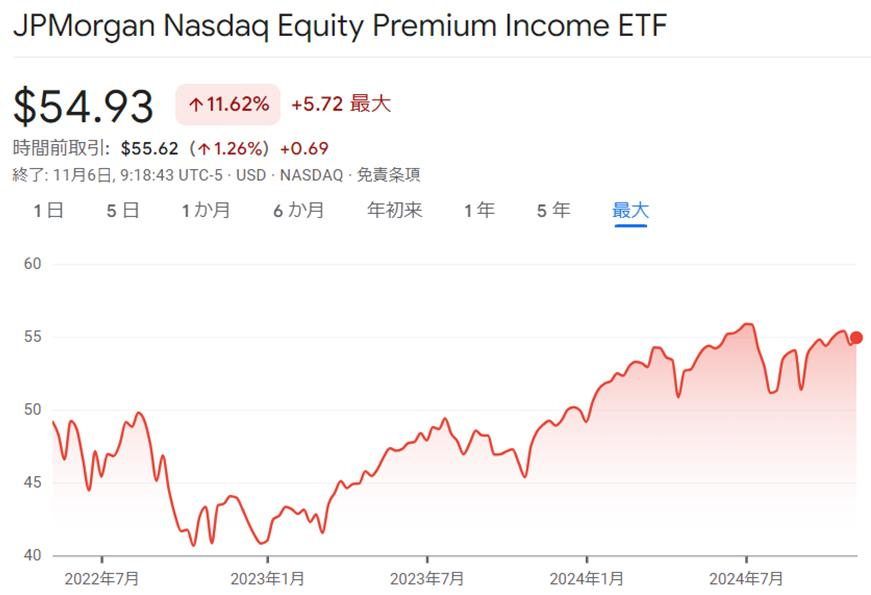
- Options-income funds. Covered-call and similar options strategies that convert stock exposure into a monthly paycheck-style distribution — a natural draw for retirees or anyone supplementing other income.
- Buffer (defined-outcome) ETFs. You trade away some of your upside for a built-in cushion against losses over a set window. Fee competition has pushed some of these to their cheapest levels ever this year.
- Actively managed bond funds. Instead of tracking a fixed bond index, a manager actively shifts duration and credit exposure — one of 2026’s fastest-growing fund categories.
- Thematic «active» funds. AI infrastructure, memory chips, and similar narrow bets are technically active strategies, even though many of them behave almost like a hand-picked index once launched.
Do the Math on the Fee Gap Before You Buy
Here’s the number worth sitting with: active ETFs average around 0.69% in fees. Passive ETFs average around 0.10%. That’s roughly seven times more expensive for the active option.
That gap doesn’t feel dramatic year to year — but stretch it out and it becomes one of the biggest silent costs in investing. A cost difference of just 0.6 percentage points a year, compounded over 30 years on a $100,000 portfolio with otherwise identical returns, works out to roughly $200,000 in lost growth. That’s not a rounding error; that’s a car, a chunk of a mortgage, or several years of retirement spending, gone to fees alone.
This doesn’t make every active ETF a bad deal. It just raises the bar. A fund earning that extra 0.6 points (or more) in fees needs a real reason to justify it: a strategy genuinely hard to replicate with an index, a track record with actual years behind it, or exposure to a corner of the market — small caps, emerging markets, high-yield bonds — where active managers have historically had a better shot at adding value.
The Boom Has a Dark Side: Funds Are Closing Almost as Fast as They Open
For every headline about a hot new launch, there’s a quieter story about a fund shutting down. More than 1,100 new ETFs are on pace to launch in 2026 alone — but dozens have already closed this same year, some after barely two months of trading. Analysts have started calling this pattern «mini bubbles»: an issuer rushes a trendy fund to market to catch a short window of attention, and when that attention moves on, the fund gets wound down.
It’s worth being blunt about what a new ETF launch actually is: not a stamp of approval on the strategy, but a bet by the issuer that enough people will show up to make the fund worth running. When a fund does close, you generally get cashed out at net asset value — not a catastrophe, but still an unplanned tax event and the hassle of finding somewhere else to put that money on short notice.
The practical lesson: a brand-new, narrowly themed active ETF is not the same asset as one with a multi-year track record and a real base of assets behind it. Time is the cheapest due diligence you can do.
So What Should You Actually Do With Your Portfolio?
None of this changes the basics of building a sound, long-term portfolio — it just adds a layer of options on top:
- Your core should stay boring and passive. A broad, low-cost total-market or S&P 500 index fund is still the most reliable foundation you can build on, precisely because it skips the fee drag and manager-selection risk that comes with active strategies.
- Treat active ETFs as a tool, not a default. If you specifically want active management, the ETF wrapper is a genuinely better way to access it than an old-school active mutual fund — but that’s a case for how to buy active management, not a case for buying more of it.
- Let the goal pick the fund, not the other way around. Need income today? An options-income ETF might fit. Worried about a drawdown before you need the money? A buffer ETF might fit. Neither is universally «better» — it depends entirely on what problem you’re actually trying to solve.
- Let new funds prove themselves first. A compelling pitch is not a track record. Giving a new, niche active ETF a year or more to season — and to show it can actually gather and hold assets — is the simplest way to avoid being an early casualty when the closures come.
The active ETF wave is reshaping how the fund industry builds and markets products, and that part is real. But the math that’s always governed good investing — costs compound, diversification protects you, and time in the market usually beats trying to out-guess it — hasn’t moved an inch.